Interior Painting

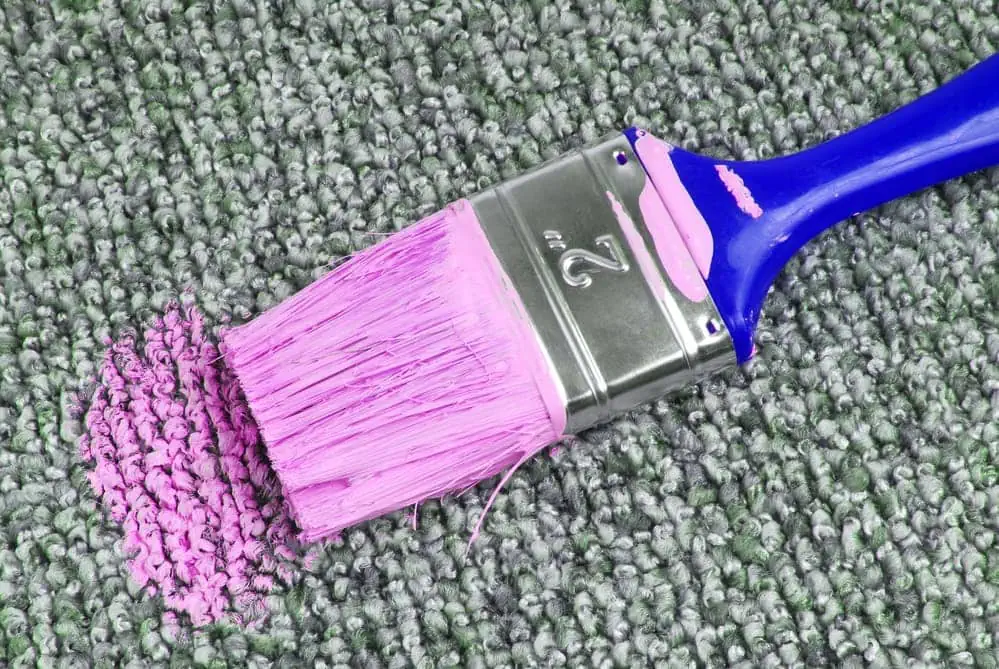
How to Clean Paint off Your Carpet

How to Clean Paint off Your Carpet

It can happen to anyone. You are painting and, no matter how many precautions you take, you find a spot of paint on the carpet. Fortunately, there are several ways to remove the stain and your carpet will look as good as new. First, you need to know whether your paint is latex-based or oil-based so that you can choose the appropriate method to remove it.

Removing Latex-Based Paint From the Carpet

Latex paint is water-based and it is easy to remove whether it is dry or wet. If it is still wet, you can blot the spot with a paper towel. Make sure that you don’t scrub as this will actually embed the paint further into the fibers. You can also soak a rag in hot water and use it to blot the paint spot. Continue blotting until the paint is gone.

If the latex-based paint is dry, you can fill a spray bottle with hot water or hot water and a little bit of dishwashing detergent. Spray the dried paint and let it soak for about 20 minutes. This will soften the paint. Once the paint softens, you can use a paper towel or a rag that is soaked in hot water to blot the paint stain. Just as with the wet paint, blot the paint until it is gone.

Removing Oil-Based Paint

Oil-based paint is a little trickier but you can remove it with a little effort. The easiest way is to use a chemical solution such as paint thinner or turpentine. If the oil-based paint is still wet, start with an old rag that is soaked in hot water. Dab the wet spot and remove as much of the paint as you can. If the carpet has any stain where the oil is in the fibers, you can dab it with a towel that is dipped in turpentine or paint thinner.

If the oil-based paint stain is dry, it is a more complex process. If you have a steamer, you can apply it to soften the paint. Use a needle or a safety pin to pick at the stain while you soften it to help break it up. Blot up as much as you can and vacuum the carpet.

If the stain is stubborn, you can apply one of many different cleaning solutions and let it soak for a few minutes before dabbing it with your towel. You can use the following solutions:

  • Turpentine: less popular because of chemical properties, but effective
  • Paint thinner: chemical solution, but effective
  • Citrus solution: popular because of natural properties
  • Rubbing alcohol: may not remove entire stain, but a good starting point
  • Water and detergent solution: works well
  • Hydrogen peroxide solution: watch carefully; can cause the color to fade
  • Ammonia mix: effective, but can cause the color to fade
  • Vinegar mix: works well

After you apply any solution and let it soften to dissolve the oil-based paint, blot it with a towel that has been soaked in hot water. Continue until the paint stain is removed and vacuum the carpet. If you have used a chemical-based solution, you will want to rinse the carpet with warm water before vacuuming.

How to Clean Paint off Your Carpet Read More »

Always Hire a Painting Professional for Your Interior Painting Project

Always Hire a Painting Professional for Your Interior Painting Project

For homeowners everywhere, there will inevitably come a time when a little bit of a refresher feels needed. This can come in a number of different ways. One of the most common ways to make a change is to paint one or more of the rooms in your house.

Taking up the job yourself can certainly save you a few bucks if you do it the right way. The problem here is that doing it yourself can lead to a number of mistakes. Areas with little to no coverage, drips, blisters, and more can make all of your work look sloppy.

That is why hiring a professional painter is something that you should definitely invest in. You might spend a little more in the short term but you will save on time and hassle. Here are just a few reasons why hiring a professional painter is more than worth it.

Quality of Work

Even those amateurs who do a great job will likely see a significant difference in quality compared to a professional. This is because the professionals do it all the time. Their literal profession is painting and any professional worth his or her salt will deliver the highest of quality.

The biggest difference here is that most professionals have substantially more experience when it comes to prepping walls. This helps to make the paint last longer and the process of painting far smoother.

Professionals will also use higher-quality products, meaning that you get the kind of paint that is best suited for your walls. Even better, professional painting contractors will help you pick out the colors that are suitable for your aesthetic.

Save Your Time

Let’s face facts; painting is a hassle. There is the matter of getting all of the supplies and then prepping the area to ensure that you don’t spill everywhere. Not only that, but you then have to do the actual painting, which can take a substantial amount of time depending on the size of the room.

When you hire a professional painter, you can kick your feet up and relax. Spend your time doing something you want instead of having to paint your walls.

Insured

Perhaps the most important difference here is that professionals are licensed to do the job. This means that, should anything go wrong, you are covered. If you do the job yourself, you are the one liable for any damage done.

Knowing that any mistakes or damage done is covered can make hiring a professional worth it. That guarantee can give you peace of mind during the process and helps you avoid the stress of getting a job well done.

Sure, you can save a few bucks doing it yourself but there is such a hassle involved in the process. Don’t run the risk of mistakes tarnishing your walls or killing an entire day for nothing. Hire a professional to do the job for you so that you can worry about other things.

Always Hire a Painting Professional for Your Interior Painting Project Read More »

3 Ideas to Refresh Your Interior for the Holidays Without Painting

3 Ideas to Refresh Your Interior for the Holidays Without Painting

The holidays are a time for joy and decoration. For a lot of us, it means transforming the interior of our home to match the festive spirit. Making these changes can make your home feel like an entirely different kind of getaway.

There are some of us, though, that are looking for something a little different than just lights and holly. While those are certainly festive, they are also a little too plain. So, if you want to freshen up your home for the holidays, what tips can you implement?

Here is a little guide to get your home feeling fresh and festive when the holiday season rolls around without painting.

Candles All Around

One of the simplest, yet most classic ways to add a little bit of a joyous mood to your interior is to implement candles. When the holidays come around, there are even holiday scents like gingerbread so that you can get the full atmosphere of the holidays. 

You can also get holiday candles in a number of different sizes and heights, so you can group them together on an end table or kitchen table to provide a different decorative look. Remember, it’s best to have unscented candles on your food tables and scented candles anywhere else.

There are so many different scents that you can implement to remind you of the warmness of the holiday such as spice, apple, gingerbread, or even tobacco and sandalwood. The goal is to create an ambiance and candles achieve just that.

Make a Change to Your Wall Decorations

During the holiday season, you can pick up a few pieces of art that are in the holiday colors to switch up your design aesthetic. It doesn’t take a lot; you can implement a few subtle changes that tie your holiday aesthetic together.

The best part is that you can implement changes like this in each of the rooms of your home without having to spend an arm and a leg. Just one or two decorative pieces to work in tandem with a few festively colored pillows or blankets and you can really pull off that holiday feeling.

Bring a Touch of Nature Inside

One of the easiest, least expensive, and most decorative things that you can do to bring the feeling of the holidays into your home is to head outside and bring a little bit of nature back in with you. 

That means bringing in a few curly branches or maybe cutting a piece of greenery to help give your home just a little bit of fresh holiday feeling to the space. For Christmas time, you can even try adding birch logs or evergreen clippings to give that Christmas tree feeling.

The key here is that you don’t need to have a drastic, over-the-top change to get the holiday aesthetic. All you have to do is make a few subtle changes and your entire space will start to feel more festive. Bringing the holidays home is easier than ever.

3 Ideas to Refresh Your Interior for the Holidays Without Painting Read More »

Suggested Steps for Staining Interior Wood

Suggested Steps for Staining Interior Wood

Staining wood surfaces is one of the most popular ways of adding color and flavor to a wooden furnishing. That being said, you need to make sure you’re doing it the right way. Wood stained the right way can add class and vibrancy to any interior. Wood stained the wrong way can be an embarrassing blemish on your home décor.

This guide can help ensure that your wood staining follows the former pattern rather than the latter. Here’s how you can stain your wood surfaces in style.

Get the Necessary Tools

First things first – for every task there is a proper tool, and you’ll need several here to get started. Among the tools you’ll want to have on hand are a sander, a clean paintbrush, and a rag to wipe away any excess staining.

Sand the Wood

You’ll next want to sand the wood surface in question. That said, you don’t want to overdo it. A little light sanding should be enough.

Why sand your wood? 

You want to make sure that the sure that the wood is clean and smooth as possible. In addition, you need to make sure that your wood is receptive to staining, and that means ensuring that there is nothing blocking the stain from the wood. For example, you’ll need to make sure that any and all paint, finish, gloss, or other agents which cover the wood are completely sanded away. The stain needs to be able to make direct contact with the wood and seep into the pores in order to be effective.

Stain It and Let It Dry

Now that you have the tools you need and have prepared the wood, it’s time to move on to the staining itself. Take your time and make sure that you add the stain evenly with smooth, clean brush strokes up and down the wood surface. Let it sit and dry in a dry, ventilated area.

You’ll also want to be careful about mixing different stains. It can be done, but you need to keep in mind the different consistency and makeup of each stain. For example, water and oil do not mix, nor do oil and water-based stains.

Additional Tips

Those are just the basics. In order to get the most out of your staining efforts, you’ll want to heed the following extra tips:

  • Make sure to stir the paint in the can thoroughly before use. 
  • Test the stain on another surface to make sure that it looks and spreads the way you want before applying it to the wood surface. 
  • If you want the stain to be darker, add a second coat. 
  • Be careful not to stain over hinges, knobs, or other metal materials; it is generally advisable to remove these ahead of time before major staining projects. 
  • Apply a protective finish over the stain to preserve it. 
  • If you are worried about fumes, opt for a water-based stain. 

Following these tips can help ensure that you are able to stain your wood in a lasting and elegant way.

Suggested Steps for Staining Interior Wood Read More »

What Makes Interior Paint Peel?

What Makes Interior Paint Peel?

When it comes to the look of the interior of your home, dealing with peeling paint can be an extremely frustrating and disenchanting situation. Not only does it affect the overall attractiveness of your household, but it can also be a real hazard to your health if left for long enough. While you might expect paint to start peeling after a few years, it can easily drive homeowners crazy when they see it only a few days after a new paint job. Unfortunately, there are a number of certain factors that can contribute to your paint starting to crack and flake off even after only a short period of time. Here are a few of the most common causes of interior paint peeling that you should be aware of before you start your next paint project.  

High Humidity and Condensation 

One of the principal causes of paint peeling off of interior walls is the amount of condensation and humidity in the space. If you’re trying to repaint a bathroom or if your home has particularly bad ventilation, this is definitely a concern you’re going to want to keep in mind. When a room is in a constant state of high humidity, the moisture will actually absorb into the walls which means that the paint itself is unable to form that bond with the wall material. This results in bulging which will quickly turn into cracking and peeling. If you’re looking to paint rooms in these conditions, the best thing you can do is dry the room out for a few days ahead of time either by finding a new ventilation method or, better yet, investing in a dehumidifier. 

Dirty Walls 

Another incredibly common cause of interior paint peeling is that the walls themselves were incredibly dirty before the paint was added. This is a particular concern in rooms such as kitchens where things such as grease, oil, and smoke are constantly in the air and hitting up against the walls. Paint will never stick to dirt. Because of this, before you start any sort of paint project, making sure that the walls are properly cleaned and primed ahead of time is critically important. Otherwise, you will most likely end up having to start over again from scratch anyway.

The Paint Was Expired

You know that old can of high-quality paint that you’ve been saving for years in the basement? Unfortunately, that might not be the best thing for you to use for your new project. Believe it or not, paints come with expiration dates and all too often homeowners end up using these old paints that they’ve had in storage for who knows how long and come to find that the paint chips and peels off almost immediately after. Generally speaking, paint can last up to 10 years under the right conditions, but if you’re worried you’re anywhere close to that time frame it might be best to simply pick up a new can. 

What Makes Interior Paint Peel? Read More »

Selecting the Perfect Trim Color

Selecting the Perfect Trim Color

One of the most affordable ways to transform the mood of a home is to paint the rooms. The right choice of colors can make a huge difference as to how a home is experienced. The good news is that there are so many colors from which to choose but this can become overwhelming quite quickly as well.

One of the biggest problem areas in any home is deciding on a color for the trim. The moldings in a home can really add some character but what color should you choose to paint them? Here’s some sage advice on choosing the perfect trim color:

  1. Unify the Home

Sometimes the most minimal look is the best because it creates a sense of visual unity. While trim can certainly add dimension and character to a home, it’s not always a good idea to paint it a different color than the rest of the walls.

If you really want a unified look throughout your home, consider painting the trim the same color as the walls. A good option is to use white for everything since this will amplify the sense of space. Just be aware that there are different kinds of whites from warm to cool so you’ll need to decide on a tint as well.

  1. Be Bold in Your Painting

If you want to experiment with contrasts and prefer a bolder look, consider painting your trim a darker color than the walls but make sure that it’s a contrasting color. For example, if you paint the walls a pale blue color or a cool white, consider using a French blue color for the trim areas.

One thing that you do need to keep in mind is that the trim color you choose should equal the intensity of the wall color. In the example above, French blue is not as intense as navy blue or midnight blue, for example. It suits the pale blue of the walls and does not distract the eye.

It’s actually not a bad idea to get to grips with some color theory if you’re considering painting your home. There are plenty of interesting concepts in color theory and it may help you to choose some great colors.

  1. Excite the Eye with White

White has always been the great leveler when it comes to house painting because it creates such a spacious effect and goes with any other color. One way to experiment with it is to paint your walls darker, such as a chestnut or pale green, and then paint the trim and moldings white.

Choose a tint for the white that goes with the wall color. For example, if you decide on a warmer color for the walls, make sure that you choose a nice warm tint for the white. The same rule applies to cooler colors. This ensures that there’s some visual relationship between the walls and the trim.

Conclusion

There are lots of paint colors to choose from but by applying some rules, you can choose the perfect wall and trim color.

Selecting the Perfect Trim Color Read More »

Painting Tips to Revitalize Your Home Office

Painting Tips to Revitalize Your Home Office

Is your home looking worn and tired? Are the walls covered in stains and fingerprints? If you have a home office, painting it can make a world of difference in how you feel. A crisp and clean color scheme can really make you more productive. Indeed, painting is one of the most cost effective ways of changing up a home easily and quickly.

Advice for Preparing Your Home Office

If you’ve decided to paint your home office, it’s important to do it the right way. This is especially true if you’ve opted to do it yourself rather than hire a professional. Doing this will save you money, but you also need to take heed of the following advice:

  1. Clean the Walls Carefully

Did you know that painting on dirty walls can cause the paint to bubble, flake, and peel? This is because most walls have grease marks and other stains on them that can interfere with the adhesive qualities of the paint layer.

Before you stir a paint pot or pick up a brush, make sure that you clean the walls of your home office thoroughly. One of the best ways to do this is with sugar soap. This will make for a good clean surface. Also get rid of any pencil, felt tip pen, or crayon marks.

  1. Move Your Stuff

It should really go without saying, but you do need to move your belongings and furniture out of the way before you paint. If you can’t move everything out of your home office at one time, just clear the areas where you’re painting. This way, you won’t get anything on your valuables.

  1. Cover the Floors

Take the time to cover your home office floors with drop sheets. You can use old towels and old bed clothes for this purpose, and it will prevent splashes and drips of paint from getting all over the floor.  You’ll also need to cover exposed areas such as window frames that you don’t want to paint with masking tape to protect them.

  1. Make Sure You Invest in a Roller

Some people prefer to paint everything with a brush, but this can take a really long time. If you want to get it done quickly and easily, use a paint roller. This will allow you to cover a large area very quickly and will save significant time.

If you do use a paint roller, just make sure that you paint the corners with a paint brush first. This is because the roller won’t be very good at squeezing into tight corners. It will be much better at covering large flat surfaces quickly. You can even get special paint brushes that are angled just for this purpose.

Make Your Home Office New Again

There’s nothing quite like a room that has been revitalized by a brand new paint job. If you spend a lot of time in your home office, painting it can really make a big difference in how you feel while you are there and how much work you get done each day.

Painting Tips to Revitalize Your Home Office Read More »

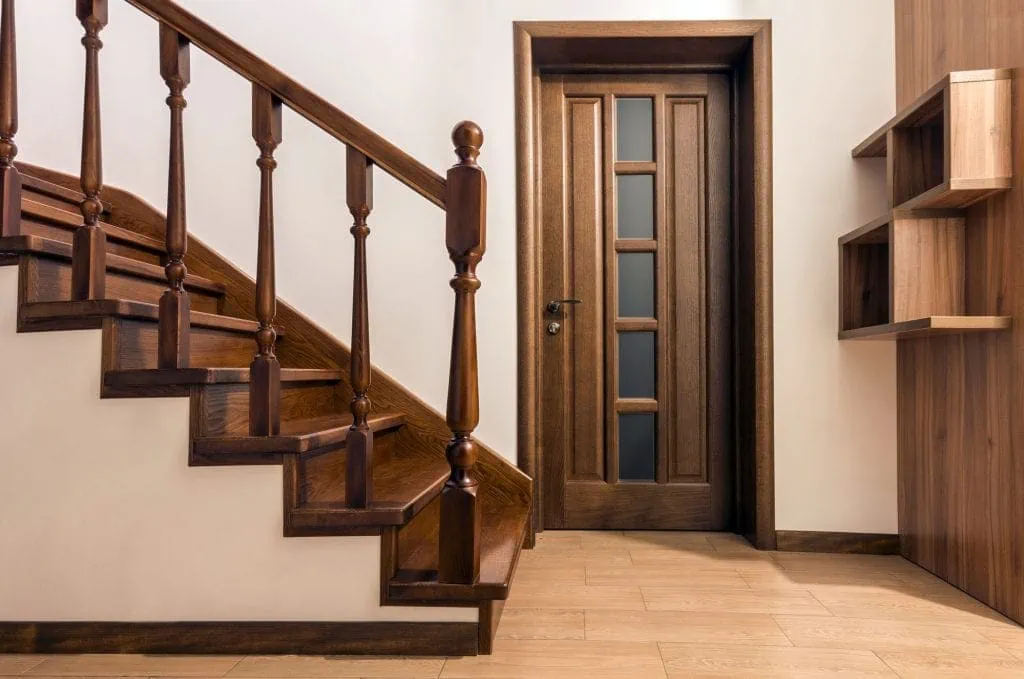
Paint Your Stairwell Like a Pro

Paint Your Stairwell Like a Pro

There are few ways to add a sense of life and color to your home that are as welcome and accessible as painting. One of the biggest advantages of opting for painting as a customizing decorative choice is the fact that you can use it nearly anywhere. This can be especially useful for adding a sense of color to places that might otherwise be difficult to decorate.

Case in point — your stairwell.

The narrow confines and contours of your stairwell can make it difficult to decorate. With so little room, it can be uncomfortable for you to stand and work there for a prolonged period of time. Painting, however, is nice and simple; plus, as opposed to bulky construction equipment, it’s much easier to maneuver a paintbrush.

These tips can thus help you paint your stairwell the right way.

Getting the Right Equipment

The first step that you’ll want to take towards painting your stairwell like a professional is making sure that you have the right tools on hand. While you may not be able to pay for the kind of materials that professional painters use, there are still many common substitutes available online or at your local hardware store that will be able to tackle most jobs just as well.

For starters, you’ll want to be sure that you have a quality set of paintbrushes on hand. Among these, it’s important to have both rollers for those larger areas that will need painting as well as small, slim brushes for cutting around corners.

One of the biggest game-changing pickups that you’ll want to make is an extension pole along with any type of brushes that you can fit to it. This will allow you to not just reach places that would otherwise be inaccessible but to do so with a thin brush, enabling you to do more nuanced painting around corners and crevices than would otherwise be possible.

Taping Off the Surrounding Areas

Next, you’ll want to be sure to tape off the surrounding areas with masking tape. This will help you reduce the amount of paint splatter on these surfaces as well as narrow down the area that you plan on painting.

Help with Edging

Now it’s time to get to the actual painting itself. Adding the big swaths of paint with a roller should be standard fare.

Adding some edging around corners may prove a little more challenging. If you are using a new extension pole, be sure that you are comfortable maneuvering it before you apply paint to a brush and get started. You’ll also want to be sure that you have enough room to comfortably fit and maneuver the pole from a standing position. If it has any guard flaps, be sure that they are out to reduce paint splatter.

If the pole and paintbrush alone can’t quite reach the area that you’re trying to paint, corner painters are also available for handling the tightest of corners.

With these tips, you’ll be ready to get started painting your stairwell with the best of them.

Paint Your Stairwell Like a Pro Read More »

Man Cave Color Trends 2019

Man Cave Color Trends 2019

Far too often, we create gender expectations for what men and women are “supposed” to do and like. Painting and décor are one of those things, often being seen as a “woman’s” domain. The fact of the matter is that it’s 2019, not 1819, and men and women can and should be equal in pursuing their interests, including decorating.

You should be able to decorate your man cave without shame.

What’s more, doing so can be a great way to carve out your own niche within your home. When you buy a home, it can be all too easy to find the overall décor scheme squeezing you out of a place that feels unique to you. Man caves (and, continuing our equality ethos, “women’s caves”) can be a great place to relax, unwind, pursue your passions, and create a place that’s comfortable, creatively, unique, and utterly your own.

Let’s take a look, then, at some of the hottest man cave color trends of 2019.

Different Greys

2019 has been a year that has seen grey in general and slate grey in particular burst onto the scene. While grey has the potential to be a bit too muted and bland, darker and sleeker greys, especially slate grey, have the potential to add some much-needed smoothness and class to a space – both of which are qualities that are certainly welcome in a man cave. Take the time to find the right shade of grey to complement your furnishings and wall hangings.

Blues and Navies

Blue is, without question, one of the most versatile colors in the home décor Crayola box. Indeed, it is almost harder to imagine a décor scheme in which blue doesn’t fit. The key is to find the right shade of blue. The hottest trend among those using blue in their man cave décor in 2019 is dark blue and navy, which can give the room anything from a classy uniform feel to a more down home “blue jeans” look.

Deep Burgundies

The same holds true with burgundy. If you’re looking to imbue your space with a sense of regal redness, deep bold burgundies might well be the way to go. Burgundy can also go well if you are looking to make a space feel a bit more antique, nicely matching the décor schemes of classic Victorian “smoking rooms” and studies –the “original” man caves.

Rich Chocolate

Black is a bit of a cliché when it comes to man cave décor choices. We naturally associate black with darker, edgier spaces, and in turn associate those values (however problematically) with men. That said, a space that’s painted solid black is a space that can feel stark at best and be a nightmare to move around in at worst. You hardly want to find yourself stumbling around your own man cave because you can’t see properly. Deep rich chocolate colors are a great way to lighten that darker look a bit by “sweetening” its tone and making it more “palatable” (anyone else getting hungry?).

With time, energy, patience, and a full palate, you can make your man cave something special.

Man Cave Color Trends 2019 Read More »

Scroll to Top